I work with founders and solopreneurs who are drowning in manual tasks only they can do. I help you cut through it, find the exact moves that will move revenue, not in six months but now, and build the systems with you so they keep working after we're done.
Work with me →You've been meaning to sit down and actually figure this out. Here it is, a real look at what AI can do for your business right now. What's worth your time, what isn't, and where to begin. Written for founders, not engineers.
A music startup founder spent 8+ hours a week manually scanning publications and cross-referencing Spotify data to find breakout artists before anyone else.
He now wakes up to a curated email every morning. He spends that time building relationships instead.
A wearable fitness brand was recording expert conversations and watching them disappear. None of it was showing up in search.
The audio became SEO-optimized articles, structured and on-brand, without the team writing a single word from scratch.
A psychologist-coach had a full session transcript with rich thinking and real frameworks. It was sitting unused.
It became a polished ebook growing her email list. Her podcast recordings now become LinkedIn content in her voice, not a ghostwriter's.
A founder's LinkedIn ghostwriting business for CEOs was deeply manual. Every client required hours of research and revision. Quality tied entirely to bandwidth.
Transcripts in, finished drafts out, written in each CEO's voice, sent to Notion for a final human sign-off before posting.
A CMS platform was doing competitive analysis once a quarter. A slide deck that was outdated the moment it was finished.
Now it's a continuous system: feature launches, positioning shifts, emerging gaps, surfaced automatically and written to a live knowledge base.
At a fast-growing AI startup, the same questions kept coming up on sales calls and disappearing into recordings.
That language got extracted, clustered, and fed into onboarding and blog content. Marketing that sounds like how buyers actually talk, because it is.
A global toy distributor had thousands of product pages slowly losing ground in search. No clear picture of what to fix first.
Each article was audited against competitors and sized by effort (small, medium, large) so the team had a prioritized action plan, not a blanket "update everything."
Professionals were starting every day inside a cluttered inbox, manually triaging what needed a response, before doing any real work.
Every incoming email gets sorted automatically: urgent, FYI, or read later. The ones that need a reply have a draft waiting, written in your tone, ready to send.
Growing brands scaling content production knew their voice intuitively but couldn't articulate it in a way that kept AI-generated content consistent.
Their highest-performing pages were analyzed for tone, structure, and phrasing, turned into a living writing guide that feeds directly into every new piece.
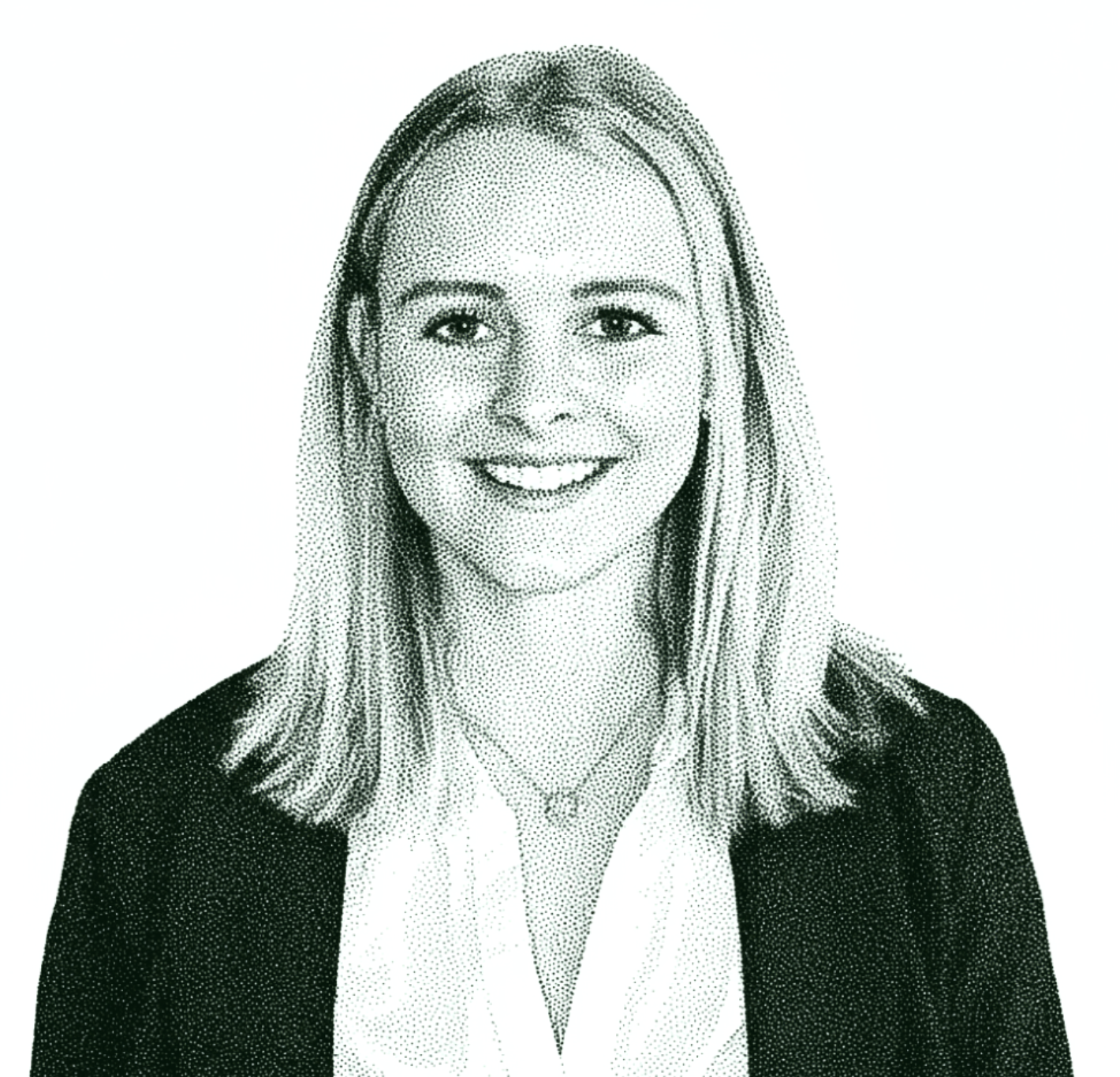
Hi, I'm Andrea.
I've always been drawn to how things connect: patterns, systems, the structure underneath it all. That led me to software engineering, where I spent three years at a FinTech company building full-stack applications. I loved the problem-solving, especially that moment when everything clicks into place.
But at some point I realized I was more interested in how people think than in the code itself. Then AI came along. Not as just another tool, but as a completely different lens for looking at work, creativity, and how we make decisions.
I joined a fast-paced AI startup as a Solution Architect and worked with companies like Webflow, Ramp, Monday.com, Kayak, Klaviyo, Notion, Angi, Bilt, and WHOOP, building systems that solved real, messy problems.
Then I started teaching. I led AI enablement cohorts for marketers, and that's when it clicked for me. Watching people go from overwhelmed to confident. Seeing them realize they didn't need to become prompt engineers. They just needed to think in systems. A lot of them got promoted. But the real magic was that moment when it all made sense.
What I've learned: the best AI implementations aren't about the tools. They're about understanding how someone thinks: their energy, their patterns, their decision-making style, and building systems that amplify those things.
"This isn't about doing more. It's about doing what matters, with support."
I work with people I resonate with. People who want depth, not hacks. Who see AI as a thinking partner, not a magic wand. If that's you, I'd love to explore what we could build together.
When I'm not designing AI systems, I'm probably on a beach. Right now that's Cape Town (after Lisbon, after the Dolomites, after 8 years in NYC, after growing up in Pennsylvania). I'm the oldest of eight kids. I surf when I can, write when I should be doing other things, and I'm always in the middle of learning something.